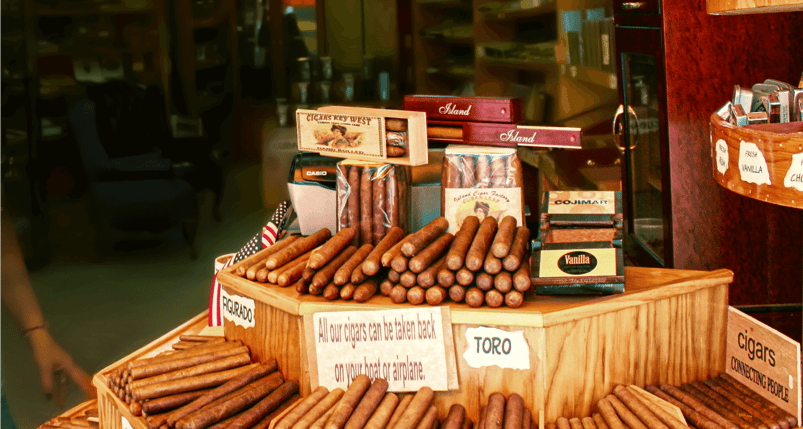



Opening a smoke shop is exciting, but choosing the right location can make or break your success. If you’ve been searching for how to choose a location for your business in the tobacco and cigar retail space, it’s not just about finding an affordable storefront.
Your shop’s address determines your customer base, licensing eligibility, visibility, brand atmosphere, and long-term growth. A great product mix won’t save a smoke shop in the wrong location — and a bad lease can hurt profits before your first year is over.
Here are six tips to help you know what to evaluate before signing a lease, along with budgeting guidance and insights into how technology can help you make smarter location decisions from day one.
1. Understand Zoning Laws and Tobacco Licensing Requirements
Before anything else, you must understand what your state, county, and municipality allow. Smoke shops are regulated differently from other retailers, and many cities have strict ordinances in place.
Make sure to:
-
Research local zoning rules: Contact the city’s zoning map, municipal code, or planning office to verify that your desired location allows tobacco, vape, cigar, or hookah retail.
-
Confirm location restrictions: Check whether your state imposes distance requirements from schools, churches, or playgrounds (e.g., Texas restricts outward-facing tobacco and vape signage within 1,000 feet of youth-oriented facilities).
-
Review retail caps: Ask whether your city has a maximum number of tobacco licenses permitted per district. For example, Philadelphia limits licensing to one per 1,000 people in each planning district.
-
Check required permits: Include tobacco retail permits, reseller’s permits, occupancy permits, and signage permits in your planning.
According to the Centers for Disease Control and Prevention (CDC), more than 40 states require retailers to hold a license to sell tobacco products or e-cigarettes, and many local jurisdictions impose additional zoning or location-based rules.
Always analyze these requirements before even assessing foot traffic — because a great location is worthless if you can’t legally operate there.
2. Budget for Real Commercial Real Estate Costs
When planning to choose a location for your business, it’s essential to understand the actual costs of leasing a retail space. Commercial rent varies by city and neighborhood, but national benchmarks can give you an idea of the average rates.
Here’s what to forecast:
- Plan for national average retail rent — about $24 per sq. ft. annually.
- Account for higher rates in urban shopping corridors — for example, $91.40 per sq. ft. in New York or $47.33 in Boston.
- Budget lower for suburban strip centers — between $20 and $22 per sq. ft. in many locations.
For an average 1,200 sq. ft. smoke shop, that translates to:
- $2,000–$2,400+ per month in suburban areas
- $4,700–$9,200+ per month in major metro areas
Don’t forget additional expenses:
-
Calculate CAM fees: Evaluate common-area maintenance (CAM) charges shared among tenants.
-
Budget for build-outs: Include ventilation upgrades, cigar room insulation, display shelving, and humidor cabinetry.
-
Estimate utility needs: Plan for HVAC loads, humidification systems, and lighting.
Setting a realistic budget early prevents you from falling in love with a space your margins won’t support.
3. Analyze Competitor Placement and Market Saturation
Competition isn’t a bad thing — unless you position your shop where the market is oversaturated. Perform market research to choose a location where your business will thrive.
Take these steps to study your competitive landscape:
-
Map existing smoke shops: Identify their distance from your potential location.
-
Evaluate pricing and product variety: Compare inventory items such as cigars, vape products, glassware, and accessories to identify trends and pricing norms.
-
Observe customer flow: Watch peak hours and buying patterns at competing stores.
-
Assess underserved areas: Find neighborhoods with strong demand but limited retail options.
You want some competition so customers already frequent the area — but not so much that your store becomes invisible.
4. Measure Foot Traffic and Visibility
Foot traffic is one of the strongest predictors of daily revenue. But not all foot traffic is equally valuable — smoke shop customers tend to be purposeful shoppers.
To choose an effective location for your business:
-
Track daily foot traffic: Use tools like Placer.ai, street counters, or manual tallies to evaluate the shop’s visibility.
-
Study car traffic counts: Check local Department of Transportation (DOT) traffic maps for vehicle volume.
-
Inspect signage opportunities: Ensure your brand is visible from the street.
-
Observe nighttime activity: Confirm safety and lighting in the surrounding area.
High-visibility corner units and storefronts located near c-stores, liquor stores, or nightlife venues often outperform those in isolated spaces due to better walkability and convenience.
5. Identify Space Must-Haves for a Smoke Shop
Smoke shops aren’t like typical retailers — you need space for regulated products, ventilation, storage, and specialty equipment. If you plan to open a cigar lounge, the requirements become even more specific.
To plan for these essential interior and layout needs:
-
Design a functional floor plan: Include ample shelving for cigars, tobacco, vape products, and accessories.
-
Create a dedicated lounge environment: Separate cigar rooms or lounges with dedicated ventilation, seating, and air filtration systems.
-
Plan humidor placement: Ensure stable temperature and humidity control with proper power access.
-
Incorporate a checkout zone: Equip the area with counter space, security measures, and an integrated point of sale (POS) system.
-
Maintain compliance visibility: Display age-restriction signage, license postings, and warning notices clearly.
-
Optimize atmosphere: Use lighting, décor, and layout to match your brand — modern vape, classic cigar lounge, or hybrid smoke shop.
If your space can’t accommodate humidors, proper airflow, and secure storage, it’s not the right location — no matter how affordable the rent is.
6. Use Cigars POS To Make Smarter Location Decisions
Choosing the right location isn’t just about real estate — it’s about ensuring operational efficiency from day one. That’s where POS software built for smoke shops and cigar lounges becomes a powerful advantage.
A tobacco-forward POS strengthens your location strategy, enabling you to:
-
Analyze sales patterns: Use industry benchmarks to forecast inventory demand in your new location.
-
Simplify compliance: Automate age verification, tobacco recordkeeping, and ID checks to stay compliant in strict jurisdictions.
-
Monitor inventory turnover: Identify which products require more display space, larger humidors, or high-traffic placement.
-
Support multi-store growth: Compare performance across locations to refine future expansion decisions.
-
Enable mobile management: Review sales, staffing, and inventory from anywhere — critical during the scouting and build-out phase.
A smoke shop location is an operational ecosystem. A data-driven POS helps you measure that ecosystem with real numbers, rather than guesswork.
Choose a Location That Supports Long-Term Business Success
If you’re learning how to choose a location for your business, especially in the smoke shop space, prioritize the elements that move revenue: zoning compliance, competition, visibility, foot traffic, layout, and atmosphere.
Combine those insights with the operational power of Cigars POS, and you give your new smoke shop the strongest possible foundation. It helps you track sales performance, manage inventory, and stay compliant as your business grows.
Opening a smoke shop is exciting, but choosing the right location can make or break your success. If you’ve been searching for how to choose a location for your business in the tobacco and cigar retail space, it’s not just about finding an affordable storefront.